Then we can begin to classify art according to Joyce's two main categories:
and their vehicle:Integritas (Wholeness)
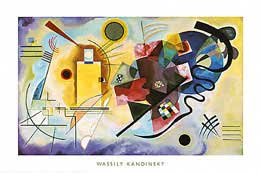 All art (in all art forms) exists within a frame. What is in the frame is a single object--not part of a table, part of a chair, etc. The art must be able to be held within the frame, and everything in the frame viewed as a single object.
Consonantia (Harmony)
What is important in art is the relation of part to part, part to whole, and whole to each of its parts. This is acheived through rhythm.Claritas (Radiance)
Claritas (or radiance) is what occurs after a fortunate rhythm has developed. It is the seeing through of the art, that transcends the physical world into the metaphysical. This is what Joyce called aesthetic arrest.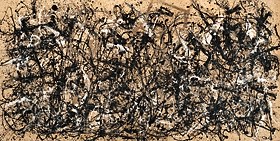
Rhythm:
Rhythm is the vehicle by which art moves. In order to acheive an aesthetic effect, art must possess rhythm. This is true in all art forms. Rhythm is what produces the aesthetic effect.Improper Art
Improper art moves one either towards the object (with desire) or away from the object (with fear or loathing). That which moves one towards the object Joyce called pornographic. Examples would be commercials, or brochures--anything that leads one to desire the object.Art which moves one away from the object Joyce called didactic. This would include any form of social criticism or social statement (novels that say communism is bad, capitalism is bad, etc.)
The majority of art in all art forms is didactic--that is to say that it leads one with fear or loathing of the object in the form of social criticism.